
 by
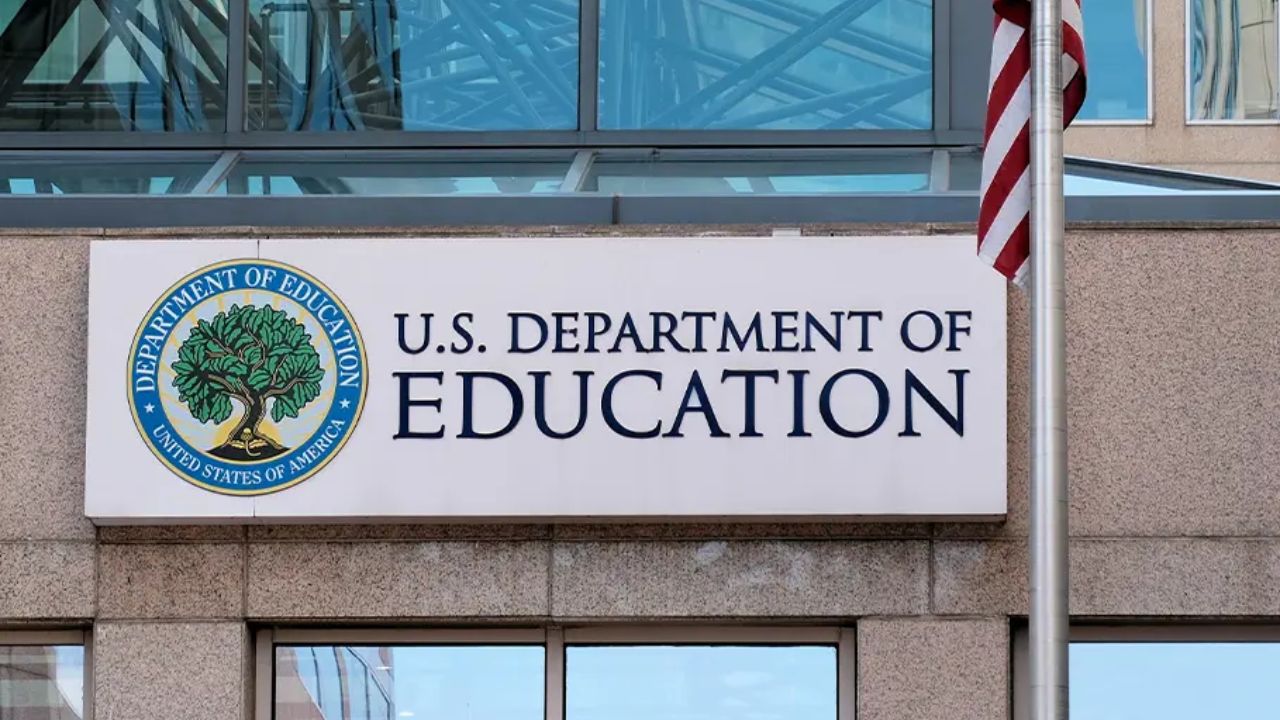
by Washington, D.C. – The Trump administration is intensifying efforts to dismantle the U.S. Department of Education, redirecting billions in federal K-12 and higher education grants to agencies including Labor, Health and Human Services (HHS), Interior, and State. Despite this massive transfer of responsibilities, the nation’s $1.6 trillion student loan system remains under the Education Department’s control for now.
Six recently signed agreements mark the largest transfer of the department’s responsibilities in its 45-year history. Labor will take on major funding streams, such as the $18 billion Title I program for low-income schools, grants for teacher training, English language instruction, and the TRIO college-access program.
HHS will oversee grants for student parents and foreign medical school accreditation, State will manage foreign language programs, and Interior will handle Native American education initiatives. Officials have said these programs will continue to receive funding levels approved by Congress.

Education Secretary Defends Move
Education Secretary Linda McMahon called the initiative a “bold action to break up the federal education bureaucracy and return education to the states.” Since spring, the department has implemented layoffs and early retirements as part of efforts to streamline operations. Officials describe the new agreements as proof that education programs can function outside a standalone federal agency.
Criticism from Educators and Legal Experts
Critics argue the department’s dismantling could disrupt programs serving vulnerable students and place oversight in the hands of agencies without education expertise. Legal scholars also question whether the administration has the authority to transfer programs that federal law requires the Education Department to manage directly.
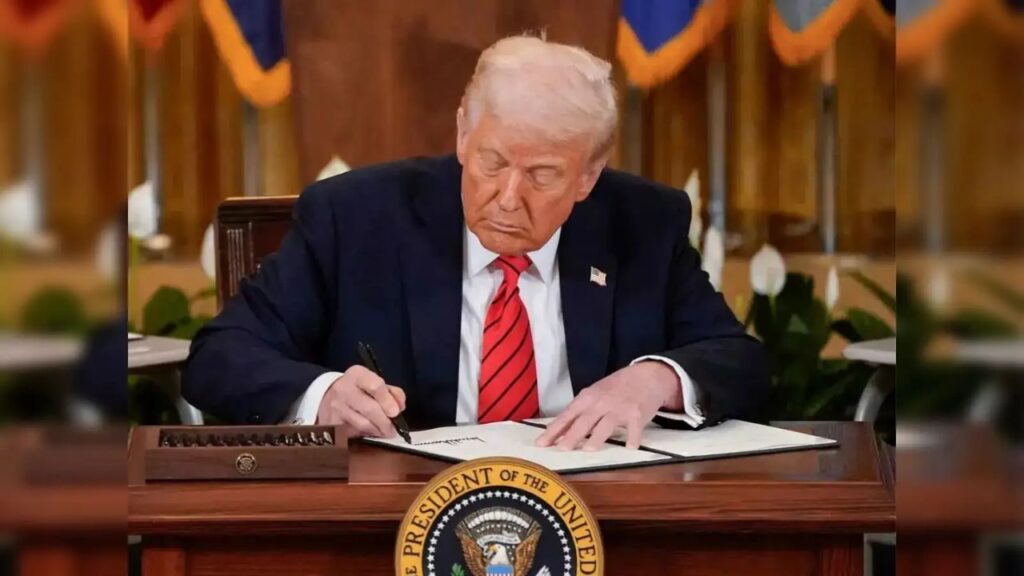
Randi Weingarten, president of the American Federation of Teachers (AFT), stated, “This move is neither streamlining nor reform–it’s an abdication and abandonment of America’s future.”
Student Loans Remain Under Department Oversight
Even as K-12 and higher education programs shift, the student loan system continues to operate under the Education Department, serving over 42 million borrowers holding a combined $1.7 trillion in debt. Last month, the department confirmed an agreement to cancel student loan debt for eligible borrowers under certain repayment plans, primarily for those who made 20–25 years of qualifying payments.

Despite these programs, many borrowers remain in limbo. As of October 2025, over one million applications for income-driven repayment plans had not been processed, leaving uncertainty for millions of Americans relying on federal student loans.
Historical Context
The Department of Education, established in 1979 under President Jimmy Carter, has traditionally overseen K-12 and higher education policy, distributed funding to states, enforced student civil rights, and managed accreditation systems. It also monitors school performance nationwide. While public schools are run by state and local governments, the department ensures federal dollars are spent appropriately and that students receive equal access to education.
Looking Ahead
The administration aims to eventually persuade Congress to codify these transfers, a necessary step to fully eliminate the department. Until then, millions of Americans will continue to rely on the Education Department for student loan management, repayment plans, and college aid eligibility.
Do you think the U.S. Department of Education should be dismantled, or should it remain a standalone federal agency? Share your thoughts in the comments below.