
 by
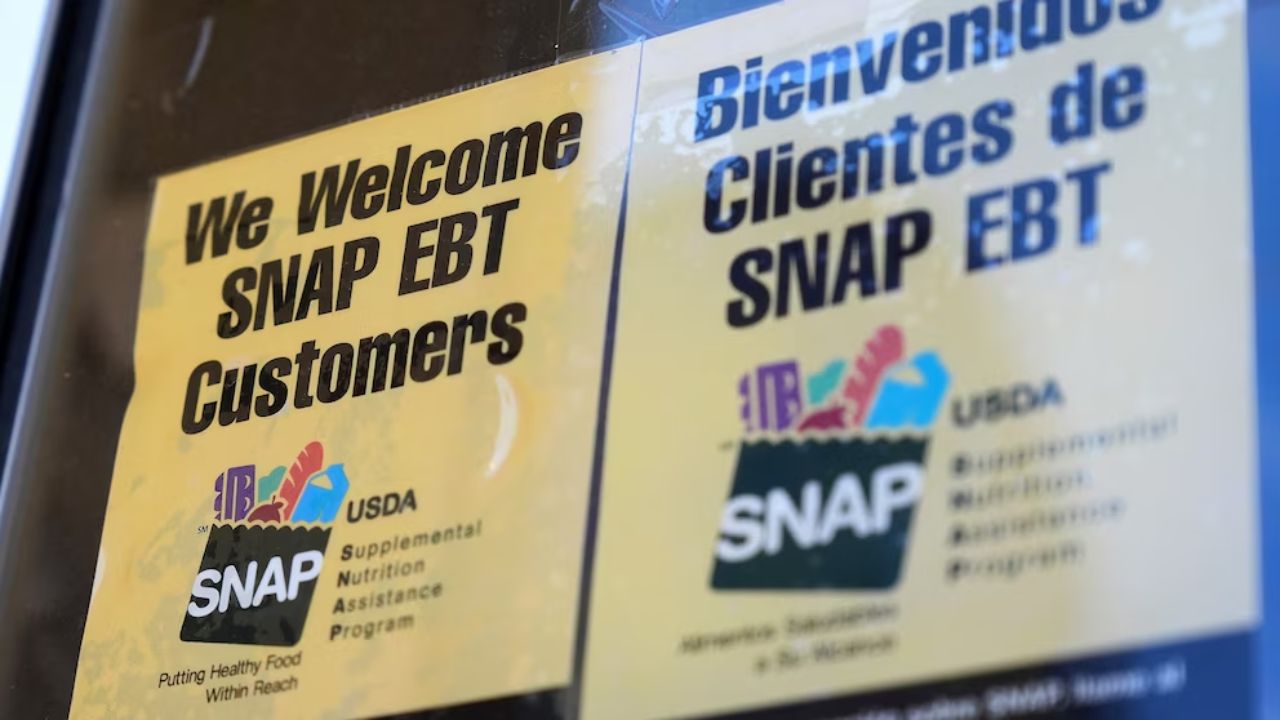
by Washington, D.C. – Millions of Americans who rely on the Supplemental Nutrition Assistance Program (SNAP) may soon face a reduction or loss of benefits as states begin implementing stricter federal work requirements under a new Republican-backed law.
SNAP Overhaul Targets Able-Bodied Adults
The U.S. Department of Agriculture (USDA) has instructed state agencies to enforce changes included in the One Big Beautiful Bill Act (OBBBA), signed into law earlier this year. The SNAP program currently supports roughly 42 million low- and no-income individuals, helping them afford groceries each month.
The OBBBA revises work requirements for SNAP recipients and changes who is exempt from these rules. According to the USDA, provisions affecting able-bodied adults without dependents (ABAWD) were effective immediately upon President Trump’s signature, though states had some leeway for full compliance until November 1.

Under the updated rules, most adults without disabilities or dependents must work, enroll in a job training program, or actively seek employment for 80 hours per month to maintain SNAP benefits. Otherwise, benefits are limited to three months in a three-year period, unless exemptions apply.
Narrowed Exemptions Spark Concerns
The OBBBA significantly narrows exemptions:
- Adults up to age 65 are now subject to work requirements (up from 59).
- Only parents or guardians of children under age 14 are exempt, down from 18.
- Exemptions for homeless individuals, veterans, and foster care alumni aged 24 or younger have been removed.
Some protections remain in place for those who are pregnant or unable to work due to physical or mental limitations.
Analysts at the Center on Budget and Policy Priorities estimate that about 4 million people could lose or see reductions in SNAP benefits, including children, seniors, veterans, and individuals with disabilities.

Advocates Warn of Unintended Consequences
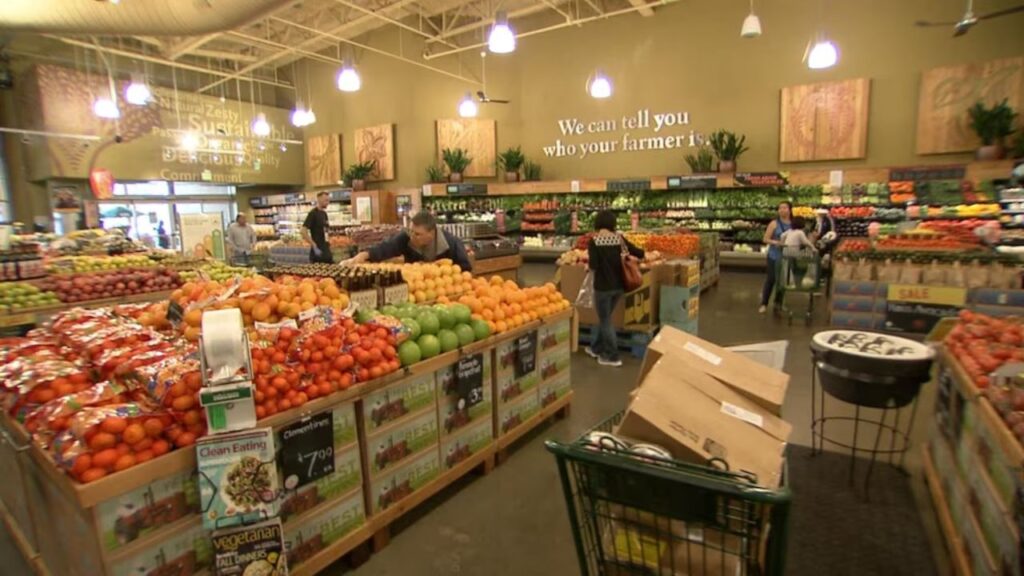
Advocates say the changes disproportionately affect households facing structural barriers. Brittany Christenson, CEO of AidKit, noted that rural residents and those in high-unemployment areas may find the work requirements unrealistic.
“Many face barriers beyond their control, including lack of transportation, caregiving responsibilities, or limited access to jobs,” Christenson said, emphasizing that administrative hurdles could further reduce access to food assistance.
Adele LaTourette, assistant VP of policy at the Community FoodBank of New Jersey, warned of ripple effects on children:
“Even if one adult fails to meet the new work requirements, the household could lose SNAP benefits for up to three years, impacting families in significant ways.”
Republican Defense of the Policy
Proponents argue the stricter work rules promote employment and integrity within the program. House Speaker Mike Johnson said in May:

“If you are able to work and you refuse to do so, you are defrauding the system… When you make young men work, it’s good for them, it’s good for their dignity, it’s good for their self-worth, and it’s good for the community that they live in.”
Agriculture Secretary Brooke Rollins added that the OBBBA strengthens work requirements and aims to tackle fraud and waste. Rollins has also confirmed that each SNAP recipient will need to reapply for benefits under the new rules.
Implications for Millions of Americans
The upcoming changes are expected to reshape the landscape of food assistance in the United States, potentially putting millions at risk of food insecurity. With states now moving to comply with the federal mandate, families, children, and seniors could face real-world consequences in the coming months.
Join the Conversation: Do you think these new SNAP work requirements will help recipients find employment, or will they unfairly punish low-income families? Comment below to share your thoughts on the future of food assistance in America.