 by
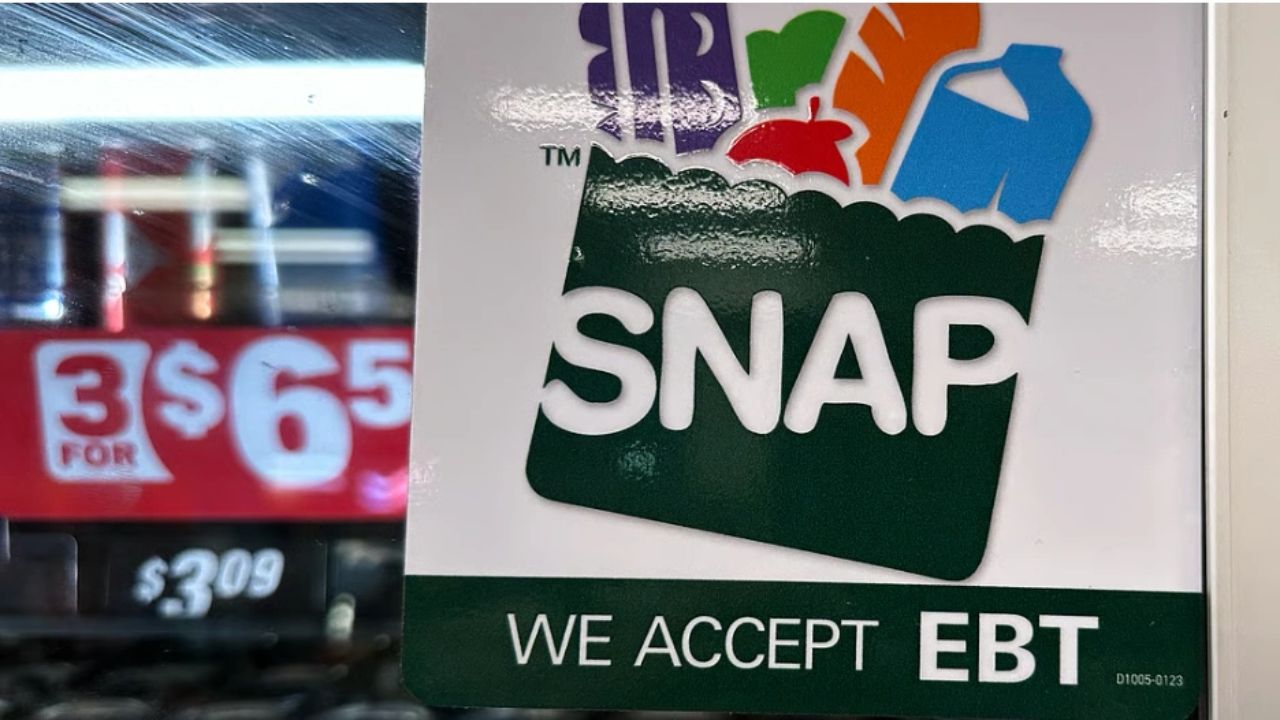
by Washington, D.C. — As the government shutdown stretches into its sixth week, lawyers for the Trump administration have warned that SNAP (Supplemental Nutrition Assistance Program) funding could face delays in Democratic-led states seeking full benefits for recipients, escalating an already tense legal battle over food aid distribution.
The Legal Battle So Far
The SNAP program, which supports around 42 million low- and no-income Americans, has been at the center of a legal tug-of-war following the shutdown that began on October 1. The Trump administration initially announced that November SNAP payments would not be issued because of expired federal funding.
That decision triggered multiple lawsuits from Democratic states including California, New York, Oregon, and Washington, arguing that withholding funds during a shutdown would endanger millions of households dependent on food assistance.

On October 31, the administration agreed to release partial payments, covering up to 65% of regular SNAP benefits.
However, U.S. District Judge Jack McConnell of Rhode Island ruled last week that the USDA must provide full benefits, ordering the use of contingency funds and $4 billion from child nutrition programs. The administration appealed, and on Tuesday, the U.S. Supreme Court temporarily blocked McConnell’s order until midnight Thursday, leaving millions uncertain about their next meal.
The Latest Developments
In a November 11 letter to the plaintiff states, USDA lawyers stated that the agency cannot process benefit payments for states that request 100% of SNAP funds, due to system limitations.
“Because the system cannot accept a submission that exceeds the funds apportioned … the system has rejected States sending issuance files at 100 percent,” the letter read.

The USDA urged states to resubmit requests at 65% of benefit levels so the system can approve partial payments from available contingency funds.
The agency emphasized it was not attempting to block access to funds but rather ensure that each state receives its fair share of the limited resources.
“In sum, Plaintiffs need to submit the value of the 65 percent maximum allotment to access the contingency funds set aside for them,” the USDA wrote.
Some states, including Washington, have complied and successfully received updated funding authorizations. Others remain in limbo, with some issuing partial payments, while others have yet to distribute any benefits.
Impact on Families
The uncertainty has left millions of families anxious. For many, SNAP benefits represent their primary food source, and even a temporary cut of 35% could force households to skip meals or turn to food banks already stretched thin by the shutdown.

When Will the Shutdown End?
The shutdown, now the longest in U.S. history, could finally end this week if the House of Representatives passes the Senate-approved bill to reopen the government. The bill will then require President Donald Trump’s signature.
If enacted, the USDA will regain full authority to release remaining SNAP funds to all states and territories, restoring normal benefit distribution.
Until then, millions of Americans are caught between political gridlock and empty plates, anxiously awaiting Washington’s next move.
What are your thoughts on this SNAP funding standoff? Should states comply with partial payments or keep fighting for full benefits? Share your opinion below!