 by
by Maryland’s proximity to major metropolitan areas and its bustling urban centers have made it a hotspot for some of the nation’s most dangerous gangs. These criminal organizations are involved in violent crimes, extortion, and large-scale drug trafficking. Below are five of the deadliest gangs that have established a firm grip in Maryland — and continue to expand their reach.
1. MS-13 (Mara Salvatrucha)
Mara Salvatrucha, commonly known as MS-13, is among the most feared gangs in the United States, and Maryland is no exception. Founded in Los Angeles during the 1980s by Salvadoran immigrants, the gang has spread across the country — with a particularly strong presence in Montgomery and Prince George’s counties.
MS-13 is notorious for its extreme violence, often using machetes to intimidate rivals and control communities. Members are heavily involved in drug trafficking, human smuggling, and extortion, making the group one of Maryland’s top law enforcement concerns.

2. Bloods
The Bloods have built a powerful network of smaller subgroups, known as “sets,” that operate throughout Maryland. Originally founded in Los Angeles, the Bloods are easily recognized by their red attire and five-point star symbols.
In Maryland — especially around Baltimore and nearby regions — the gang is involved in violent crime, drug distribution, and internal turf wars that often lead to deadly clashes. Their ongoing conflicts with rival gangs contribute significantly to local violence.
3. Crips
The Crips, rivals of the Bloods, also maintain a major presence in Maryland. Established in Los Angeles in the late 1960s, the Crips identify with blue clothing and six-point symbols.
In Maryland, they are linked to armed robberies, drug operations, and gang violence, particularly in Baltimore and surrounding suburbs. The Crips have strengthened their network by forming alliances with smaller local gangs, making it difficult for authorities to dismantle their operations.

4. Dead Man Incorporated (DMI)
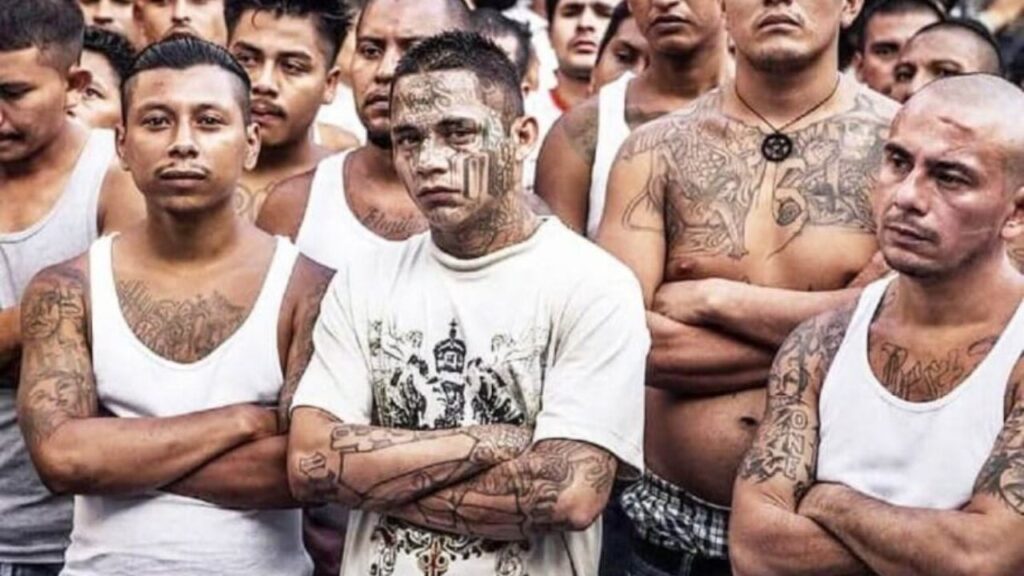
Dead Man Incorporated (DMI) is a Maryland-born prison gang that has grown beyond correctional facilities and onto the streets. Formed in the late 1990s within Maryland prisons, DMI initially aligned with the Aryan Brotherhood before breaking away.
The gang is known for contract killings, extortion, and drug trafficking. With its roots in white supremacist ideology and a strict internal hierarchy, DMI maintains a powerful influence in Maryland’s prisons and certain communities.
5. Black Guerrilla Family (BGF)
The Black Guerrilla Family (BGF) originated in California’s prison system during the 1960s and now holds a dominant position in Baltimore. The BGF engages in drug trade, violence, and power struggles with other gangs.
Its organized structure and ability to recruit new members from within prisons make it one of Maryland’s hardest gangs to dismantle.
Conclusion
These five gangs represent a serious threat to Maryland’s public safety and community stability. Their criminal activities extend far beyond violence — disrupting neighborhoods and trapping vulnerable youth in cycles of crime.

To effectively combat gang influence, law enforcement, community leaders, and local organizations must work together on prevention programs, education, and rehabilitation initiatives. By addressing the root causes of gang involvement and increasing public awareness, Maryland can move toward safer communities and reduce the power of these dangerous groups.