
 by
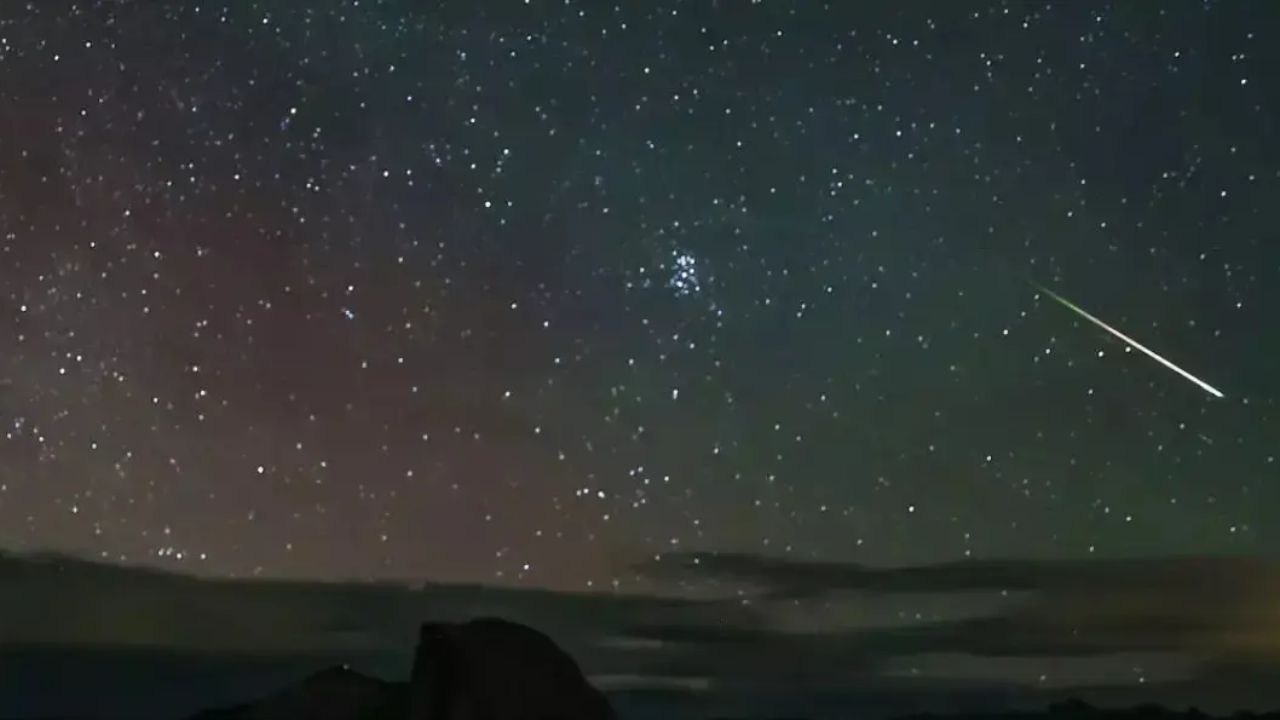
by Des Moines, Iowa – The Perseid meteor shower is a breathtaking celestial event that lights up the night sky every August. In 2025, the shower will reach its peak around August 12–13, offering stargazers a spectacular display of shooting stars across Des Moines.
Key Viewing Information
The Perseids are active from mid-July to late August, with the best activity happening around the peak nights. Observers can expect to see dozens of meteors per hour, some even bright enough to leave trails that linger in the sky.
- Peak Viewing Dates: August 12–13, 2025
- Best Viewing Times: Approximately 2:00–4:00 a.m. local time
- Radiant Point: Constellation Perseus (northeastern sky)
- Meteor Rate: Up to 100 meteors per hour under ideal conditions
- Visibility Factors: Bright moonlight may reduce visibility of fainter meteors
Optimal Viewing Locations in Des Moines
Choosing a dark area away from city lights will greatly enhance your viewing experience. Open fields and parks provide unobstructed views of the night sky, making them ideal spots for meteor watching.

- Jester Park: Expansive open fields and minimal light pollution
- Ledges State Park: Elevated terrain for clear views
- Yellow Banks Park: Quiet area with clear horizons
- Ewing Park: Popular local spot with parking and seating
Viewing Tips
Being prepared and patient makes meteor watching more enjoyable. Taking small steps to improve comfort and vision can significantly enhance your experience.
- Arrive Early: Allow your eyes to adjust to the darkness
- Dress Appropriately: Bring warm clothing and blankets
- Use Reclining Chairs: Lie back for a full sky view
- Avoid Artificial Lights: Red flashlights preserve night vision
- Be Patient: Meteors appear sporadically, so enjoy the sky
Special Arrangements
While there are no official public events in Des Moines for this year’s Perseid shower, local astronomy groups sometimes host informal viewing sessions. Checking with these clubs can provide opportunities for guided observation.
Stargazing apps and tools can also help locate the meteors and track their radiant point, making it easier for everyone to enjoy the celestial show.