 by
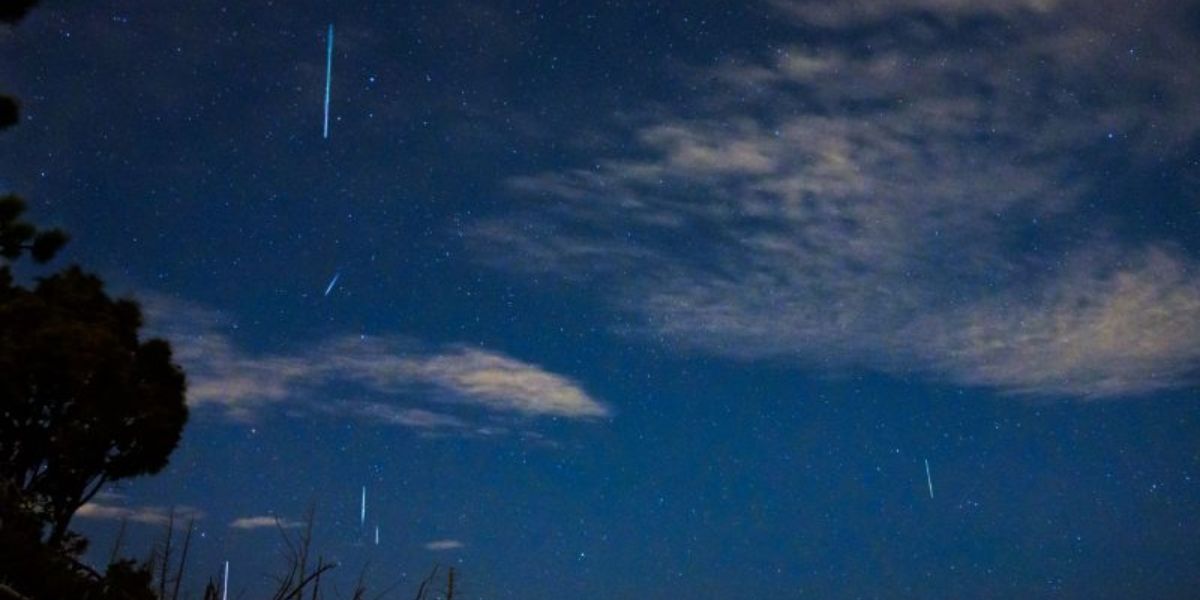
by Portland residents can look forward to a brilliant show in the night sky this August as two meteor showers—the Perseids and the Kappa Cygnids—reach their peak. Despite the city’s light pollution, several nearby dark-sky locations and parks offer excellent opportunities to catch the celestial display.
1. Perseid Meteor Shower
- Peak Dates: August 11–13
- Best Night: August 12 into the early morning of August 13
- Best Viewing Time: Midnight to 4:30 AM
- Meteor Rate: Up to 100 meteors per hour under ideal conditions
- Moon Phase: Waning crescent (excellent visibility)
The Perseids are among the most anticipated meteor showers of the year, known for their bright and frequent meteors. This year’s conditions are especially favorable, with minimal moonlight enhancing the darkness of the skies.
2. Kappa Cygnid Meteor Shower
- Peak Dates: August 17–18
- Best Viewing Time: 1:00 AM to 4:00 AM
- Meteor Rate: 3–5 meteors per hour
- Moon Phase: Waning crescent
The Kappa Cygnids are a minor shower but occasionally produce large, slow-moving fireballs. For those who enjoy a quiet and meditative night under the stars, this shower can offer a peaceful stargazing experience.

Best Viewing Locations Near Portland
- Rooster Rock State Park: Located just 30 minutes east of Portland along the Columbia River Gorge, Rooster Rock offers open sky views and reduced light pollution. The park often attracts amateur astronomers and stargazers during peak nights.
- L.L. Stub Stewart State Park: Roughly an hour west of Portland, this park is a favorite among local astronomy clubs. With wide fields and dark skies, it’s a prime spot for laying back and watching meteors.
- Mount Hood National Forest (Trillium Lake Area): For those willing to drive a bit farther, the areas around Trillium Lake provide stunning views of Mount Hood and exceptionally dark skies. Campers often enjoy meteor showers from this location.
- Skyline Boulevard or Sauvie Island (Clearings): Closer to the city, open areas along Skyline Boulevard or parts of Sauvie Island can offer decent views if the weather is clear and traffic is light.
Tips and Special Arrangements
- Check the Forecast: August skies in Portland can be unpredictable. Clear nights offer the best visibility, so check the forecast before heading out.
- Arrive Early: Some popular viewing spots may fill up on peak nights. Arriving before 10 PM ensures you’ll get a good place to settle in.
- Bring Essentials: A blanket, reclining chair, warm clothes, and bug spray can make the experience much more comfortable.
- No Equipment Needed: These showers are best viewed with the naked eye. Telescopes and binoculars are not necessary.
- Local Astronomy Events: Portland-based astronomy groups may host viewing gatherings in local parks or dark-sky areas. These events often include guidance, star maps, and shared telescopes for other sky objects.
With dark skies expected during both showers and several accessible viewing spots, August 2025 is shaping up to be a perfect time for meteor watching in and around Portland. Whether you head to a nearby state park or simply find a quiet corner away from city lights, it’s an ideal chance to look up and witness nature’s own fireworks.