 by
by A new project by Rebuilding Together Southern Nevada is offering a small but powerful response to the Las Vegas Valley’s worsening affordable housing crisis—three newly built homes designed specifically for veterans.
The nonprofit unveiled the completed housing units this week in North Las Vegas, sparking attention across the community. The homes are part of a broader effort to address the region’s estimated shortfall of 80,000 affordable housing units, according to the organization.
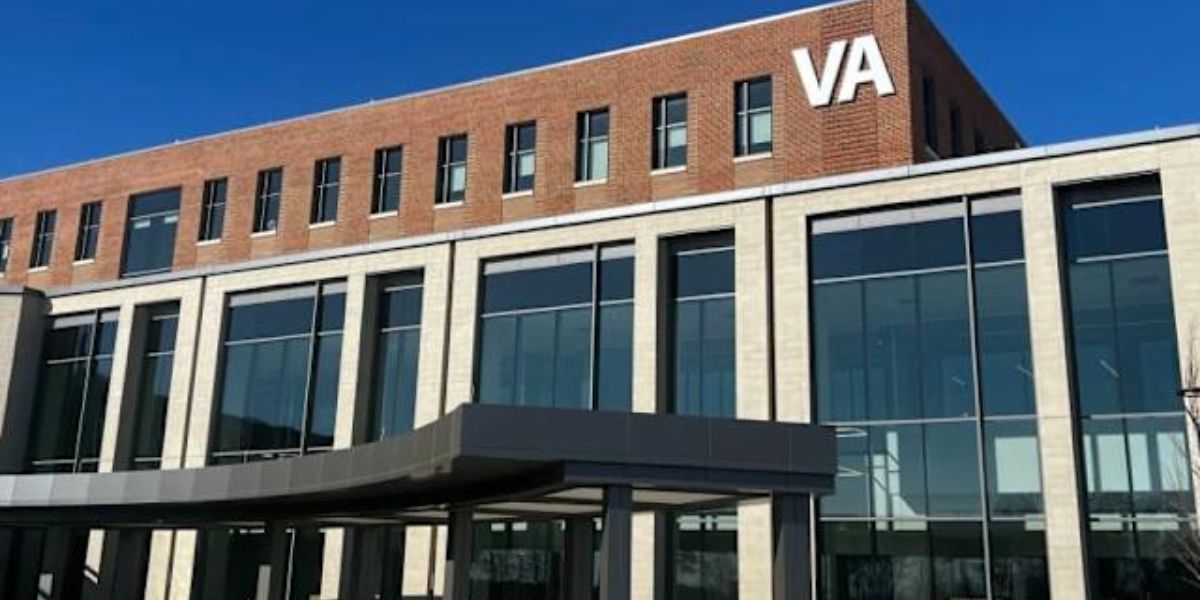
Two of the three homes are two-bedroom units, while the third has three bedrooms. All are located in a gated community near charter schools, a VA hospital, and retail areas—an intentional move away from placing affordable housing in traditionally underserved areas.

“This is a really good location for someone to live,” said Rebuilding Together Southern Nevada CEO Bob Cleveland in an interview with 8 News Now Las Vegas. “The affordable housing crisis reaches so far beyond just having a place to live. It affects your ability to work, your health, and even the quality of schools your children attend.”
Each home includes a two-car garage and modern amenities designed to support long-term stability for veterans and their families.
Nevada is home to roughly 200,000 veterans, with more than 8% living in poverty—a figure lower than the state’s general poverty rate of 12% but still deeply concerning, according to state data.
“These new units represent more than a place to live,” said Melissa Weinberg, board president of Rebuilding Together Southern Nevada. “They represent dignity, opportunity, and respect. This is also a promise that we will not leave our veterans behind.”

Since its founding in 1994, the nonprofit has rehabilitated over 7,800 homes across Southern Nevada, helping more than 14,000 low-income seniors, veterans, and residents with disabilities.
Though the current project includes just three homes, the organization confirmed plans to build eight more units as part of its continued mission to reduce housing insecurity among Nevada’s most vulnerable residents.