 by
by Thirty-four hospitals across 13 Nevada counties are expected to lose $232 million in funding due to federal Medicaid cuts, part of a nationwide reduction totaling an estimated $24 billion in lost hospital revenue
- The cuts follow the passage of the One Big Beautiful Bill Act, which imposed major changes to Medicaid eligibility and funding as part of broader tax reform efforts
- Nearly 115,000 Nevadans have already lost Medicaid coverage, with estimates showing the state’s University Medical Center in Las Vegas will lose over $45 million, the highest individual hospital loss
- U.S. Sen. Catherine Cortez Masto, D-Nev., condemned the legislation, accusing Senate Republicans of prioritizing tax breaks for the wealthy over healthcare access for working families
- The cuts target Americans with low income and include major disenrollments tied to Affordable Care Act changes, most notably a new work requirement starting in 2027
- Under the new rule, non-disabled adults aged 19–64 must work or volunteer at least 80 hours per month to qualify for Medicaid under the ACA expansion
- Medicaid enrollment has risen sharply over the past 15 years, reaching $870 billion annually in 2023, fueling Republican calls to curb spending
- A strict ban on covering undocumented immigrants under Medicaid is also a key element of the cuts, though programs like Medi-Cal in California continue to offer coverage
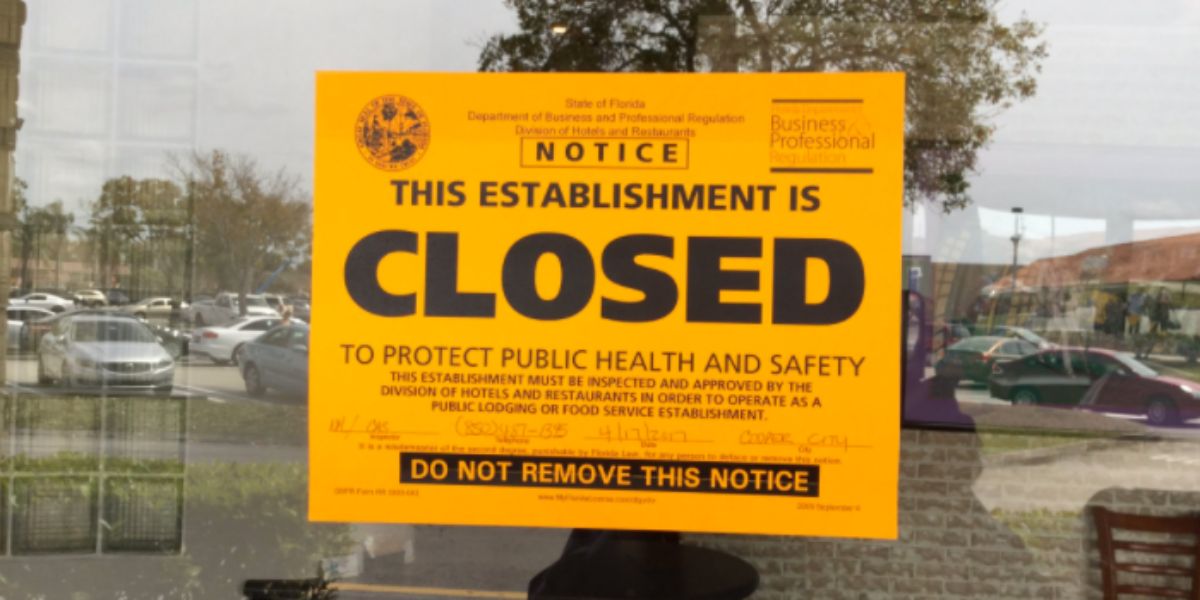
- The long-term concern for health officials is the potential closure of rural and safety net hospitals, which serve large Medicaid populations and may not survive the financial hit
- Some hospitals may shift costs to privately insured patients, while others may be forced to close or scale back operations, especially in underserved communities
- Nevada leaders, including Governor Joe Lombardo, have not yet proposed a plan to manage the impact of these cuts on the state’s healthcare system
- Policy analysts warn that states like Nevada now face difficult financial decisions, balancing budget savings against public health needs
The changes mark one of the most significant rollbacks of Medicaid coverage in years, leaving healthcare providers and vulnerable residents uncertain about the future.