 by
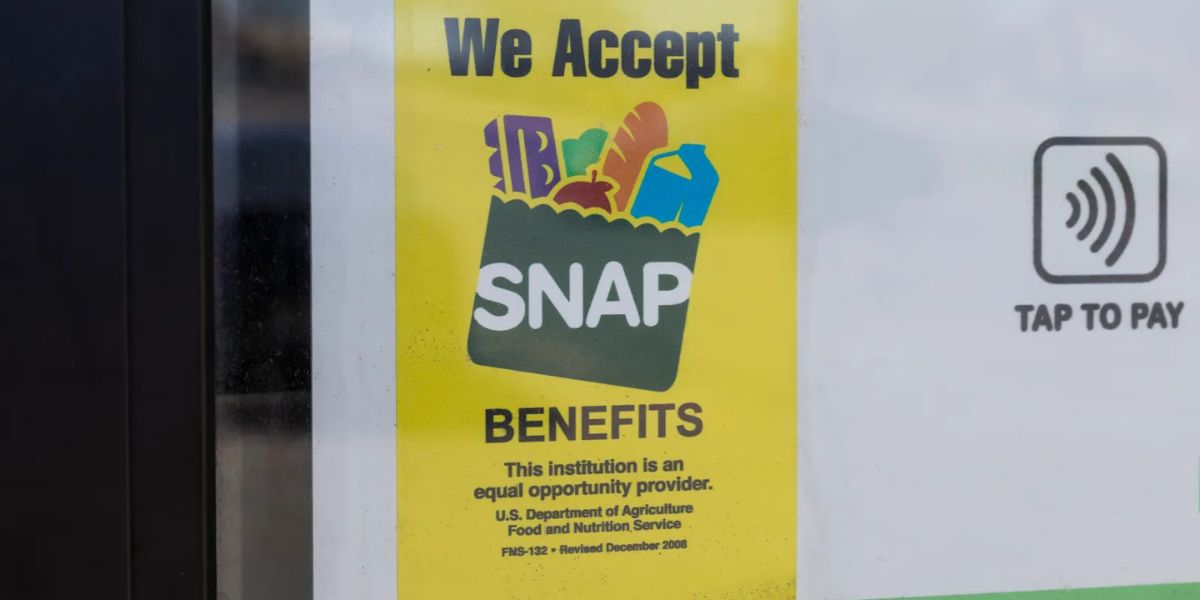
by Washington, D.C. — Attorneys general from 21 states and the District of Columbia have filed a lawsuit challenging new guidance from the U.S. Department of Agriculture (USDA) that they say unlawfully blocks some lawfully present immigrants from accessing Supplemental Nutrition Assistance Program (SNAP) benefits.
The states argue that the USDA’s guidance, issued on October 31, misinterprets the One Big Beautiful Bill Act, signed into law in July 2025, which tightened SNAP eligibility for certain immigrants. Under the legislation, legal immigrants, including refugees and asylees, are generally subject to a five-year waiting period before they may apply for benefits.
Dispute Over USDA Guidance
The October memo stated that legal permanent residents, refugees, asylees, and individuals brought to the U.S. through humanitarian parole programs are permanently barred from SNAP benefits. States contend that the law does not prevent these individuals from becoming eligible later if they obtain lawful permanent resident status.

New York Attorney General Letitia James criticized the guidance, saying it incorrectly categorizes certain immigrants as ineligible, and also fails to provide the required 120-day implementation period. According to James, this sudden directive left states scrambling to adjust eligibility systems and could impose fines so severe that some states might be forced to suspend SNAP programs entirely, potentially leaving millions of Americans without critical food assistance.
Legal Action Across 21 States
The lawsuit was filed in Oregon, with attorneys general from the following states joining: California, Colorado, Connecticut, Delaware, Hawaii, Illinois, Maine, Maryland, Massachusetts, Michigan, Minnesota, Nevada, New Jersey, New Mexico, New York, North Carolina, Oregon, Rhode Island, Vermont, Washington, Wisconsin, and the District of Columbia.
The states are asking the court to issue a judicial declaration stating that the USDA’s guidance is contrary to federal law and should be overturned.
Background on SNAP and the One Big Beautiful Bill Act
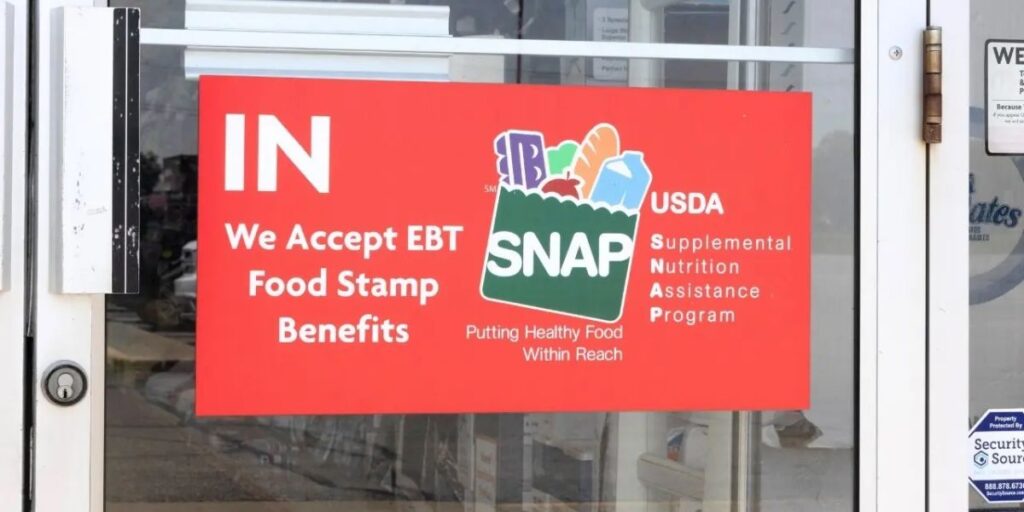
SNAP is the largest federal anti-hunger program, providing assistance to millions of low-income households to help cover essential food costs. Section 10108 of the One Big Beautiful Bill Act amended the Food and Nutrition Act of 2008, restricting SNAP access for people who entered the U.S. as refugees, asylees, or humanitarian parolees.

While the law allows some immigrants to apply for benefits after obtaining lawful permanent resident status, the USDA guidance reportedly misapplies the statute, prompting states to challenge the agency’s interpretation.
Implications for Low-Income Communities
If the USDA guidance is allowed to stand, it could limit access to nutrition assistance for vulnerable immigrant populations and place additional burdens on state agencies responsible for administering SNAP programs. Legal experts and advocacy groups have raised concerns about the potential impact on food security for millions of Americans.
What Do You Think?
Should the USDA clarify its guidance, or do states have a point in saying the agency overstepped its authority? Share your thoughts in the comments below — join the conversation on immigrant rights and food assistance programs.